The Digastric Muscle: A Hidden Driver of Jaw & Neck Pain
If you’re dealing with jaw pain TMJ discomfort, or unexplained tension under your chin, there’s a small muscle that may be playing a bigger role than you think:
The digastric muscle.
While most TMJ discussions focus on larger muscles like the masseter, the digastric is often overlooked—yet it can be a key driver of jaw, neck, and even ear pain.
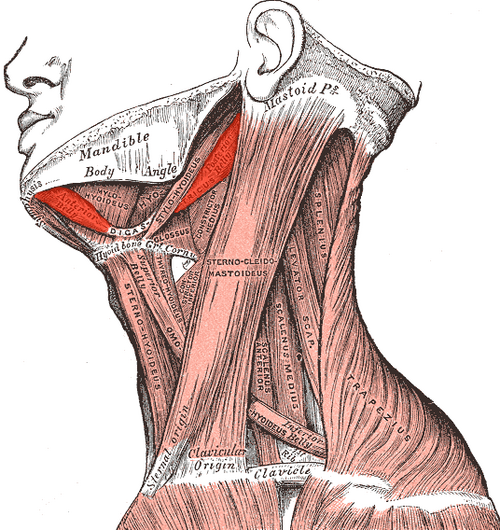
What is the digastric muscle?
The digastric muscle sits underneath your jaw, connecting your lower jaw to your neck via the hyoid bone.
It helps you:
Open your mouth
Swallow
Stabilize your jaw during movement
Because it’s involved in so many daily functions, even mild dysfunction can contribute to persistent TMJ symptoms.
How the digastric contributes to TMJ + jaw pain
The digastric muscle can become tight, overactive, or irritated.
When this happens, it can refer pain to:
The jaw joint (TMJ)
The throat or under the chin
The ear
The lower teeth
This is one reason jaw pain can feel confusing or misdiagnosed.
Common causes of digastric muscle pain
Clenching and grinding (bruxism): Constant jaw tension overloads the digastric and surrounding muscles.
Forward head posture: Common with desk work and phone use—this strains both the jaw and neck.
Stress and nervous system tension: Many people hold stress in their jaw without realizing it.
Dental work or trauma: Changes in bite or jaw mechanics can trigger compensation patterns.
Symptoms to look for
The digastric muscle can create symptoms that don’t always feel like “typical TMJ.”
You might notice:
Pain when opening your mouth
Tightness under the chin
Discomfort when swallowing
Ear pain or fullness
A pulling sensation into the neck
If you’ve been searching for answers to jaw pain near you in Portland, and nothing has fully resolved it, this muscle may be part of the picture.
Why this muscle is often missed
The digastric is:
Small and not easily visible
Located deep under the jaw
Frequently overlooked in standard TMJ exams
Because of this, many patients go untreated for this specific issue—even after trying multiple approaches.
Treatment for jaw pain in Portland
At a TMJ-focused chiropractic practice, addressing the digastric muscle is part of a whole-system approach.
This may include:
Gentle manual therapy to release muscle tension
TMJ-specific adjustments and alignment work
Postural correction (especially head/neck alignment)
Nervous system support to reduce clenching patterns
Targeted exercises for jaw stability
The goal isn’t just temporary relief—but helping your jaw function more naturally and with less strain.
Looking for TMJ treatment in Portland?
If you’re dealing with:
Ongoing jaw pain
Clicking or tension in the TMJ
Ear pain without a clear cause
Tightness under the chin
It may be time to look beyond the obvious muscles.
The digastric is small—but when it’s involved, it can make a big difference in how your symptoms show up.
——-
Curious whether conservative TMJ care could help you?
Learn more about TMJ treatment at The TMJ Chiro or schedule an introductory session to explore your options.
As a TMJ specialist in Portland with 20 years of experience in bodywork, I take a gentle, holistic, nervous-system–aware approach designed to help you experience real, lasting relief.
This is TMJ therapy created for people who want effective results without forceful adjustments or invasive treatment.
Let’s dive into what makes this approach different—and why it works.
Want to Learn More?
Sign up for Empowered: My once a week/ one minute email that teaches you how your body works.